Boswellia Vs Turmeric: Two Anti-Inflammatory Botanicals Compared
Boswellia and turmeric are two of the most common botanicals in joint supplements, both targeting inflammatory response but through genuinely different mechanisms.
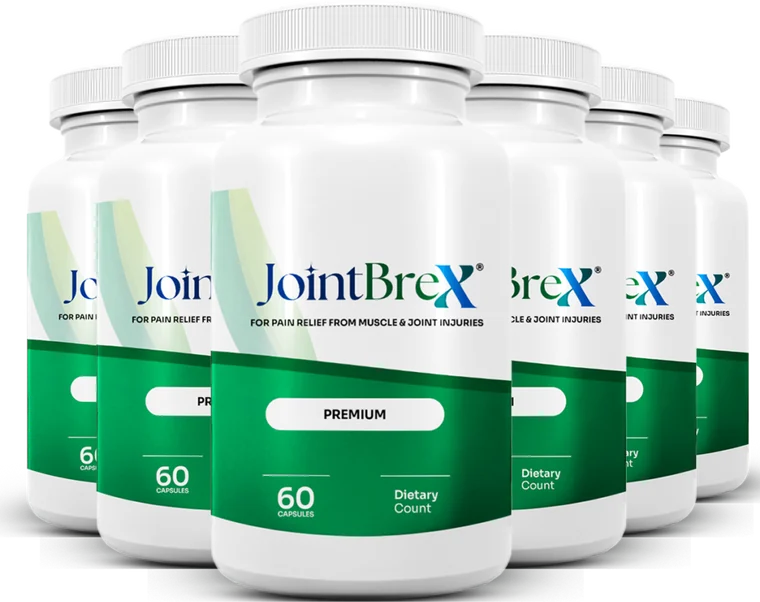
Understanding the difference explains why some formulas, including JointBrex, include both rather than choosing one.
Boswellia: enzyme-targeted
Boswellia serrata extract, often called Indian frankincense, contains boswellic acids studied for their ability to inhibit 5-lipoxygenase, an enzyme involved in producing inflammatory compounds called leukotrienes. This is a relatively specific mechanism compared to many botanical anti-inflammatories. See the NCCIH overview for a balanced summary of the evidence.
Turmeric: broader antioxidant and inflammatory pathways
Turmeric's active compound, curcumin, works across a broader range of pathways, including antioxidant activity and influence over several inflammatory signalling molecules. It is one of the most heavily studied botanicals in the joint health category, though curcumin's notoriously poor natural absorption has been a persistent challenge for researchers and formulators alike.
Why absorption is the key turmeric problem
Curcumin taken alone is broken down quickly by the body and absorbed poorly, meaning a large portion of an oral dose may never reach meaningful blood levels. This is why formulas pairing turmeric with black pepper extract (piperine, commonly branded BioPerine) have become standard — piperine has been shown to meaningfully increase curcumin's bioavailability.
Why some formulas use both botanicals together
Because boswellia and turmeric work through different, complementary mechanisms rather than competing for the same pathway, combining them is a reasonable strategy rather than redundant duplication — similar to how some circulation formulas combine multiple nitric-oxide ingredients through different routes.
Applying this to JointBrex
JointBrex includes both Boswellia Extract (133.3mg) and three separate turmeric preparations (205mg combined), plus Black Pepper Extract specifically to address the curcumin absorption problem. This reflects a reasonably informed approach to combining these two botanicals, with amounts disclosed plainly rather than hidden in a blend.